(713) 669-0117

back to blog
Protecting Your Hearing in Busy Environments
Whether you realize it or not, daily life is loud and exposes you to more noise than you realize. Constant background noise from traffic, the office, or restaurants can have an adverse effect on hearing over time. Protecting your ears in these environments is essential for maintaining clarity, reducing strain, and preserving your hearing health in the long term. Simple strategies can make a significant difference without limiting your ability to enjoy everyday activities.
Noise exposure can cause subtle changes at first. Little things like turning up the volume on devices, asking others to repeat themselves, or feeling mentally fatigued after social events. These early signs are often easy to overlook, but consistent protection helps prevent permanent damage and supports better communication for the future.
Tips to Reduce Noise Exposure
Protecting your hearing is not about avoiding social events or activities. Instead, a few minor adjustments can significantly reduce the impact of loud environments. These habits are simple to implement and can prevent significant long-term hearing damage while keeping you connected to your surroundings.
- Use earplugs or custom hearing protection when around loud equipment, concerts, or traffic
- Step outside or move to a quieter area during long periods of noise
- Lower the volume on headphones or speakers and take breaks from listening to loud audio
- Position yourself away from direct sources of loud sound whenever possible
- Choose quieter times or locations for routine errands when feasible.
Protecting Your Hearing During Recreation
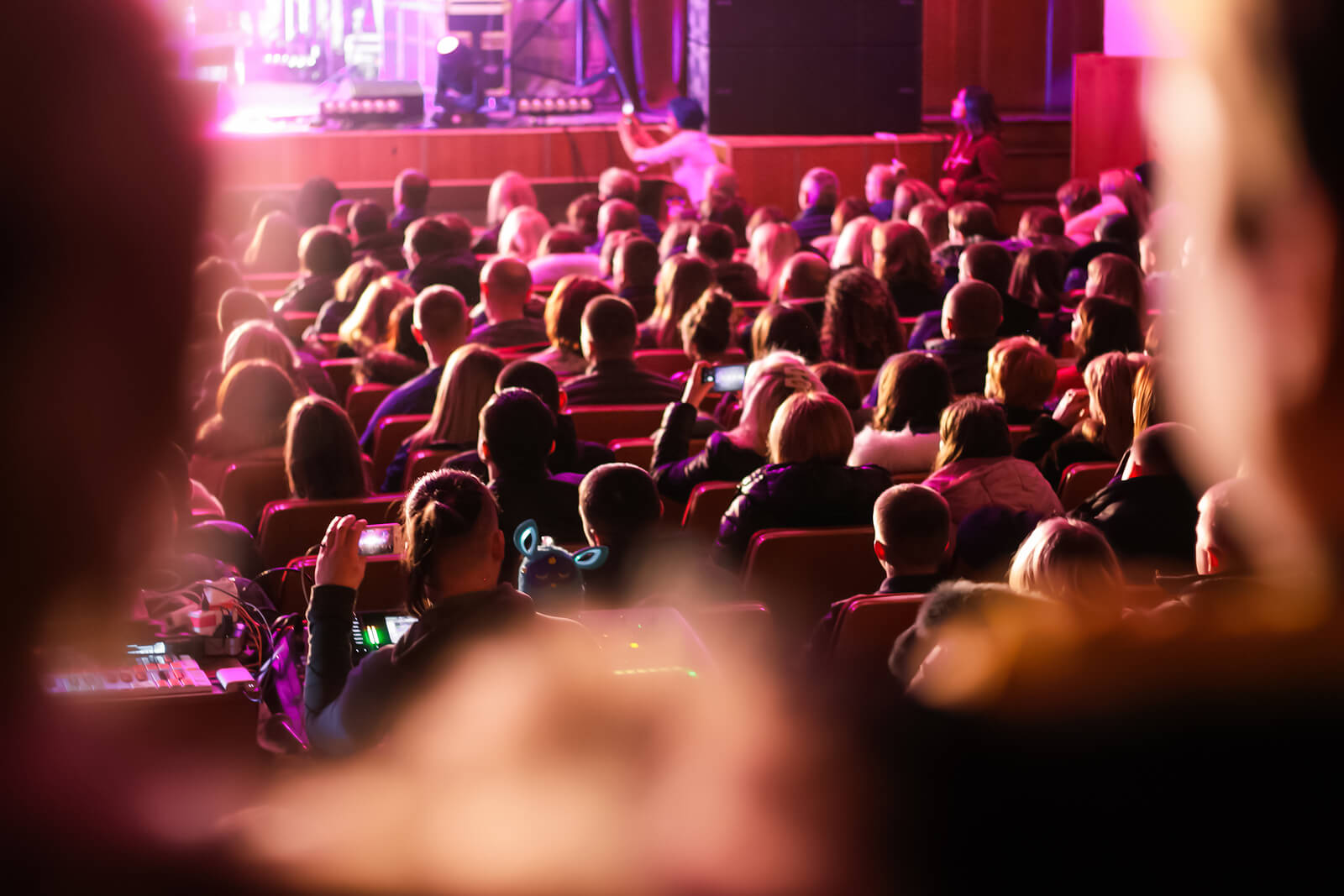
Recreational activities like going to a football game, a concert, or building with power tools can expose your ears to sudden loud sounds. Even short bursts of high-volume noise can contribute to long-term hearing damage if they happen a lot.
Using earplugs, noise-canceling headphones, or other protective devices during these activities can significantly reduce the risk. Planning ahead by bringing your own protection or choosing seating away from speakers can help maintain sound clarity and comfort. Incorporating these precautions into leisure activities means you can enjoy them safely while preserving your hearing for the future.
Safe Noise Levels
Knowing what counts as safe and unsafe noise can help you make more informed decisions. Sounds above 85 decibels over more extended periods of time can gradually damage your hearing. Everyday examples include heavy traffic, busy restaurants, live music, or even yard tools. Even short bursts of loud noise, like road work, can contribute to hearing loss if repeated often enough.
Being mindful of these levels means you can plan protective measures and reduce the cumulative effects of noise over time. Education about noise exposure empowers you to enjoy life without compromising your hearing.
When to Seek Professional Help
If you start having difficulty understanding speech or find yourself turning up the volume on devices more often, it is probably a good idea to schedule a hearing evaluation. It may be that others mention that you are asking them to repeat themselves more often than usual, which signals the need for a hearing check. Early assessment helps prevent further hearing challenges and allows a specialist to recommend personalized strategies for protection and support. Professionals can suggest appropriate devices or simple lifestyle adjustments that match your daily environments and listening needs.
Regular checkups further help track changes over time, ensuring any hearing aid or protective devices continue to work effectively. This proactive form of approach keeps your hearing clear and supports confidence in social and work settings.
Daily Habits to Support Long-Term Hearing Health
Beyond the protective measures in loud environments, maintaining overall ear health is imperative. Simple daily habits can complement your noise protection strategies:
- Keep ears clean and dry without inserting objects that can cause damage
- Limit exposure to multiple sources of loud sound simultaneously
- Take regular breaks in quiet areas to rest your ears
- Monitor your hearing for gradual changes and act promptly if issues arise
These practices support stronger hearing resilience and make it easier to stay engaged in conversations, work, and social activities.
Wrapping Up
Protecting your hearing in busy environments is about combining awareness, preventive habits, and professional support. By using the right tools and strategies, you can enjoy everyday experiences while preserving your clarity, comfort, and confidence. Taking small steps consistently ensures your ears remain healthy for years to come.