(713) 669-0117

OTC Hearing Aids
Over-the-Counter Hearing Aids
Over-the-counter (OTC) hearing aids have become more common as people seek affordable, accessible options to deal with mild hearing loss. These devices can help in some listening situations, but they have their own limits. Bisel Hearing Aid Center provides guidance to help people understand whether OTC technology is the right choice or if a prescription device would offer better long-term results.
Schedule an Appointment

What are OTC Hearing Aids
OTC hearing aids are amplification devices that adults can purchase directly. These products are meant for those who notice mild hearing changes but do not need a customized prescription device. They are typically available online or in retail stores. OTC hearing aids usually allow buyers to adjust basic settings through apps or onboard controls.
Since OTC hearing aids must comply with federal guidelines, they offer a structured option for people who want an easy place to start. This could be someone who wants volume support in quiet settings or while watching television. This is fine for OTC devices, but they are not designed to handle more complex communication challenges, such as noisy environments or significant hearing loss.
Comparing OTC and Prescription Hearing Aids
When choosing between over-the-counter (OTC) and prescription hearing aids, it helps to understand how they differ in customization, support, and long-term performance.
While OTC devices may work for some users, prescription hearing aids are designed to provide more precise care and ongoing professional support.
Common Misunderstandings

Myth: OTC hearing aids work for any level of hearing loss
OTC devices are not approved for moderate or severe hearing loss. People with noticeable communication issues will not get the clarity they need from OTC options. A complete hearing evaluation means the right treatment plan, whether OTC or prescription.
Myth: OTC devices make professional care unnecessary
Many people still need guidance. The specialist can explain which OTC devices meet federal guidelines, how to choose the right model, and when prescription devices are a better investment. Comparing options with a hearing care professional prevents wasted money and frustration.
How Bisel Hearing Aid Center Supports OTC Buyers
Even though OTC devices do not require professional involvement, many people find that guidance improves the buying experience. The specialist at Bisel Hearing Aid Center can explain whether OTC products match your hearing changes and outline realistic expectations. For some people, an OTC device may serve as a temporary option before transitioning to prescription hearing aids.
The team can further review standard OTC designs, basic fit guidelines, and safe listening habits. This helps buyers avoid common mistakes, such as choosing overly loud settings or selecting devices that do not meet the federal standards.
Making the Best Choice
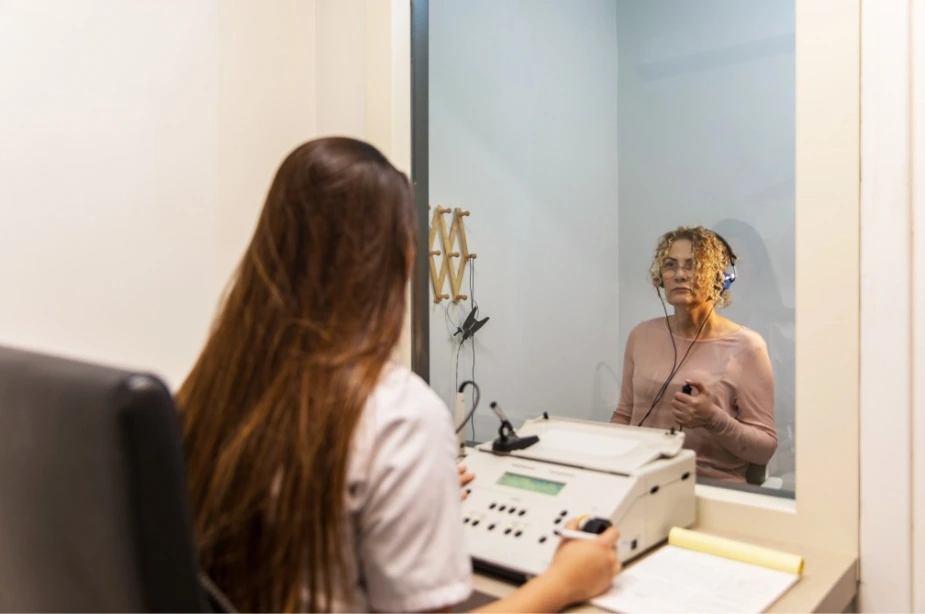
The very first step in determining whether OTC hearing aids are appropriate is understanding your hearing needs. A professional hearing evaluation provides clarity about which device will yield the most significant improvement.
OTC devices can help in simple listening environments, but prescription hearing aids remain the stronger option for long-term communication success.