(713) 669-0117

back to blog
Rechargeable and Disposable Hearing Aid Batteries
Choosing the right hearing aid battery type for your needs can affect your comfort, convenience, and confidence. While hearing aids may appear similar, the power source inside determines how well they fit into your everyday activities. Understanding the difference between rechargeable and disposable batteries helps you make a choice that supports your routine, preferences, and hearing needs. Both options are reliable when they are matched with your specific lifestyle.
Rechargeable Hearing Aid Batteries
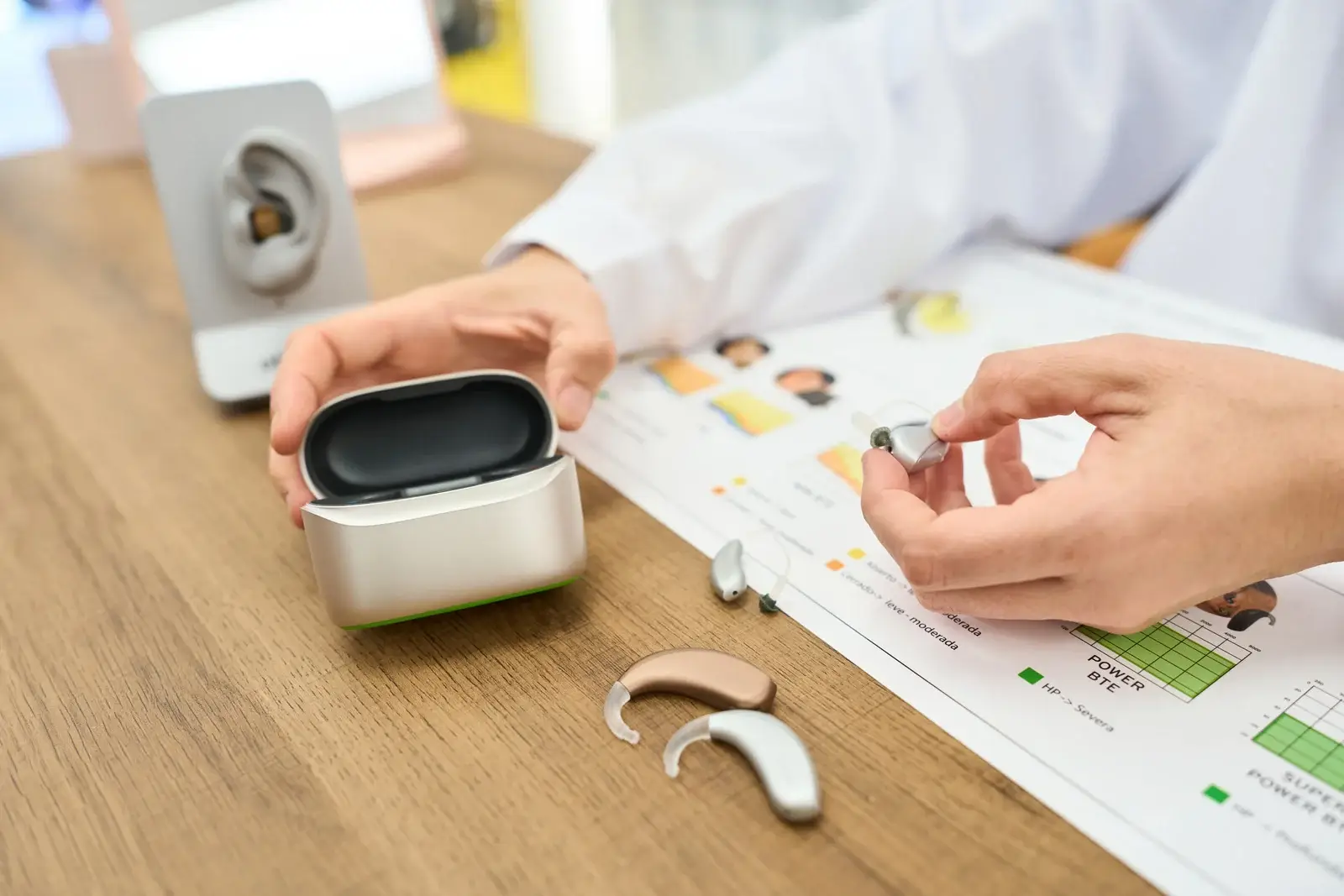
Rechargeable hearing aids use built-in batteries that are charged using a compact charging unit. Most models are designed to last a full day on a single charge, even when used regularly. Charging is most often done overnight, so the devices are ready to go first thing in the morning.
This option appeals to people who value simplicity. There is no need to handle or manage small batteries or to open battery doors. Charging becomes part of a daily routine, much like charging a phone or a Smartwatch. Furthermore, rechargeable hearing aids also reduce waste. Since the batteries are reused for years, fewer items end up in the landfills. For many wearers, this brings peace of mind along with the convenience.
Disposable Hearing Aid Batteries
Disposable batteries are replaced every few days, depending on the hearing aid style and usage. They are widely available and easy to carry around as backups. Many users appreciate the flexibility this option provides, especially when traveling or spending longer days away from home. Disposable batteries offer predictability. When power runs low, a quick battery charge can fully restore function to your devices. There is no waiting time and no need for access to electricity.
Disposable batteries work well for people who prefer that type of hands-on control or want backup options readily available. Some of the common benefits include:
- Easy replacement without charging time
- Availability in many stores
- Reliable performance in varied environments
Lifestyle Factors to Consider
Daily habits usually guide battery decisions more than the technology itself. Think about how you spend your time and what feels most manageable. Each option supports good hearing when matched with the right expectations.
Rechargeable batteries may be a good fit if you:
- Follow consistent daily routines
- Prefer fewer small items to handle
- Want a simplified charging process
Disposable batteries may work better if you:
- Travel often or have unpredictable schedules
- Spend extended time away from power sources
- Prefer immediate power replacement
Cost and Convenience Over Time
When choosing between rechargeable and disposable hearing aid batteries, long-term cost and convenience are usually the ultimate deciding factors. Rechargeable hearing aids may have a higher cost upfront, but they can reduce ongoing expenses over time. There is no need to purchase replacement batteries every few weeks, which can become costly over the years. This can be especially helpful for those who prefer predictable expenses and fewer errands.
Disposable batteries usually cost less up front but require regular replacement. For some wearers, this ongoing cost feels manageable and familiar. Others find it fully inconvenient to track battery levels and keep extras on hand at all times. Thinking about budget, shopping habits, and the level of convenience can help you make a choice on what feels best in your life.
Maintenance and Long-term Considerations
Rechargeable batteries typically hold out for several years before needing replacement by a professional. Over time, they may start to lose a little charge, but regular care helps maintain performance. Keeping the charger clean and using it consistently supports battery health.
Disposable batteries will require regular purchases, but they do not lose capacity while appropriately stored. Keeping them in a cool, dry place helps ensure reliable power. Both options require routine hearing care. Proper cleaning and storage support battery life and overall performance.
Getting Guidance to Match Your Needs
Choosing between rechargeable and disposable batteries need not be overwhelming. A hearing professional can help match your hearing aids to your daily routine and comfort preferences. Trying both options, or even just discussing past experiences, can help bring clarity.
The right battery choice will support consistent hearing and reduce daily stress. When your hearing aids fit seamlessly into your life, staying connected becomes easier and more natural.