(713) 669-0117

back to blog
Signs Your Hearing Aids May Need Adjustment or Maintenance
Hearing aids are built to improve daily communication, but they are not a set-it-and-forget-it type of solution. Changes in your hearing, the environment, or even the device condition can affect overall performance. Recognizing the early performance issues and signs that your hearing aid may need an adjustment or maintenance can help prevent frustration and keep your listening experience more comfortable.
Sound Quality Feels Different Than Before
One of the earliest signs that something may require attention is a noticeable change in sound quality. Voices may seem muffled, tinny, or somehow less clear than they once were. This does not always mean your hearing has changed. Small shifts in ear anatomy, device settings, or even buildup in the hearing aid can affect sound delivery.
If you find yourself turning the volume up more or struggling to understand speech in situations where it was normally fine, it may be time for a professional adjustment. Routine fine-tuning helps make certain your hearing aids continue to match your listening needs.
Increased Feedback or Whistling
Feedback, which most people call a whistling noise, is not something that should be ignored. While brief feedback can occur when you are putting the hearing aids in or removing them, ongoing whistling means there is a fit or maintenance issue that needs to be addressed.
Common causes include:
- Changes in how the hearing aid sits in your ear
- Earwax buildup is blocking sound output
- Worn or damaged components
Addressing feedback early can prevent discomfort and improve sound clarity without requiring major changes.
Physical Discomfort or Poor Fit
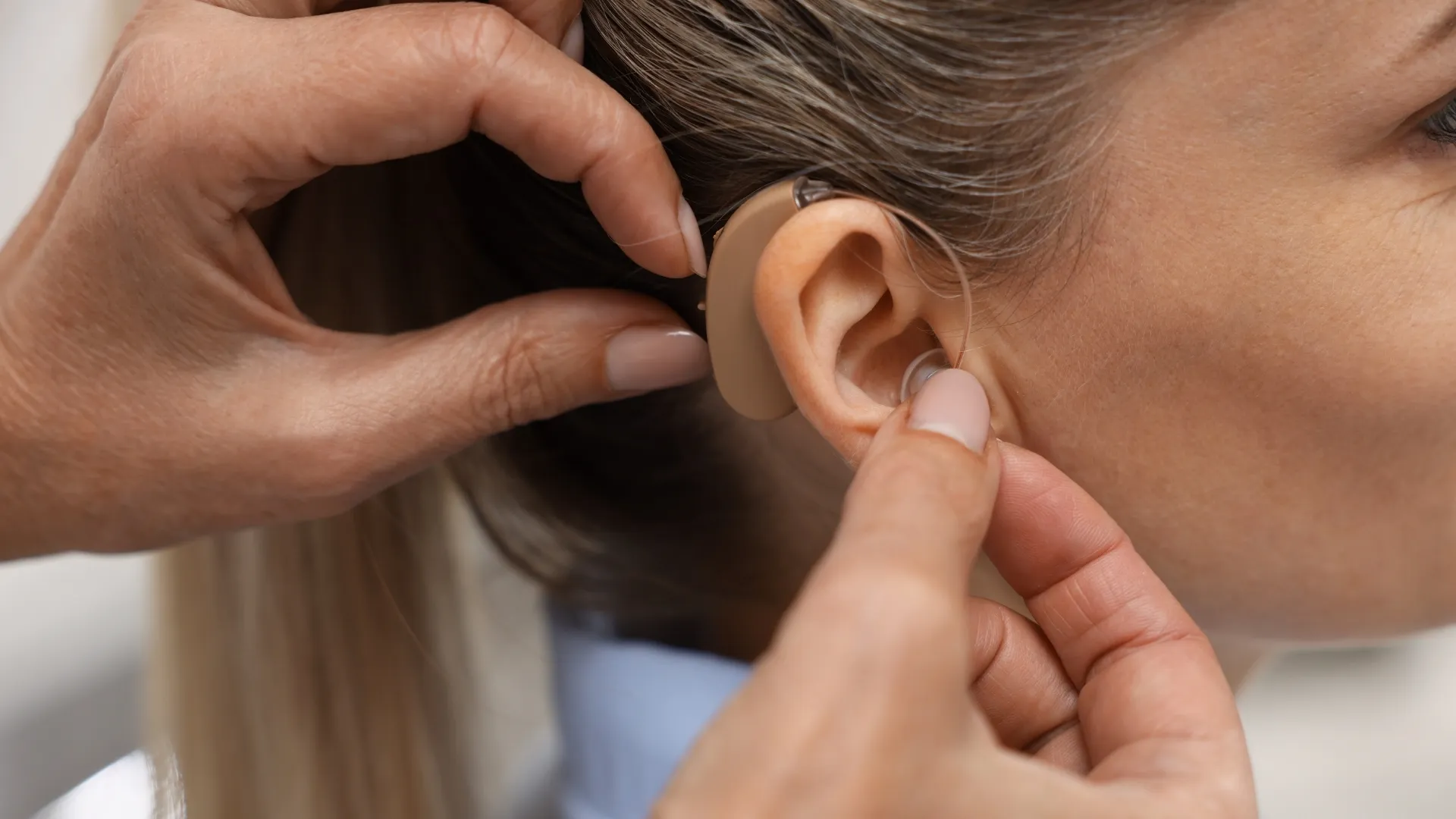
Hearing aids are meant to feel secure and comfortable for all-day wear. If you notice soreness, pressure, or irritation in or around the ears, your devices may need adjustment. Fit issues can develop over time as your ear shape changes or the earmolds wear down.
A professional can assess whether your hearing aids need reshaping, resizing, or some minor modification. Comfortable devices are more likely to be worn consistently, which is essential for the long-term benefits.
Difficulty Hearing in Specific Situations
If certain environments suddenly feel more challenging, such as conversations in small groups or listening while watching television, this may signal that your hearing aids are no longer optimized for your specific routines. Hearing needs evolve, and devices may need a settings update to keep up.
Situations that often highlight the need for an adjustment could be:
- Struggling to hear soft voices
- Difficulty following conversations with multiple speakers
- Needing captions more often than before
These changes do not necessarily mean new hearing aids are needed, but they do suggest it is time for a professional review.
Maintenance Issues that Affect Performance
Hearing aids are exposed to earwax, moisture, and daily wear. Even with the best care, components can get clogged or worn. Reduced performance may originate from issues that are not immediately visible but still impact sound quality.
Regular maintenance appointments help identify small problems before they lead to bigger disruptions. Cleaning, part replacement, and performance checks can greatly extend the life of your devices.
When to Schedule a Professional Check
Waiting for too long to address hearing aid concerns can lead to unnecessary listening fatigue and frustration. Scheduling routine checkups, typically once a quarter, sometimes more often, means your devices continue to support your hearing health effectively.
You should consider a professional visit if you start to notice:
- Persistent sound distortion
- Wax build-up
- Deteriorating parts (even if sound has not been affected yet)
- Changes in comfort or fit
- Reduced benefit despite consistent use
Wax buildup and deteriorating parts can happen gradually over time, where it may not be noticed until it’s too late, and the hearing aid is no longer providing amplification at all. Regular follow-ups enable gradual adjustments, keeping your hearing experience stable and predictable.
Supporting Long-Term Success
Hearing aids work best when they are maintained and adjusted over time. Just as your hearing can change, your devices also need an occasional update to perform their best. Staying proactive helps protect your investment and supports clearer communication in the day-to-day.
By addressing any concerns early and maintaining regular care, you can continue to enjoy the full benefits that your hearing aids are designed to provide. Ongoing support will help your devices adapt as your listening needs evolve. This means you will get consistent comfort, confidence, and clarity during your conversations and other everyday interactions over time.